Know Your Numbers
People with prediabetes and Type 2 diabetes are more likely to have high cholesterol, high blood pressure and excess weight. They are also likely to be overweight or obese. All these factors increase the risk of developing cardiovascular disease and other serious health problems.
Even if you feel fine, it’s important to keep track of your numbers. Many people living with prediabetes have no symptoms, and diabetes can become serious before warning signs appear. Knowing your numbers helps you take action early and protect your health.
How your numbers are checked
Your healthcare team checks your numbers in different ways. By drawing blood, your healthcare professional can conduct a lipid profile to check your blood cholesterol and glucose tests to check your blood sugar. Your blood pressure and weight are even easier to check with a blood pressure monitor and scale.
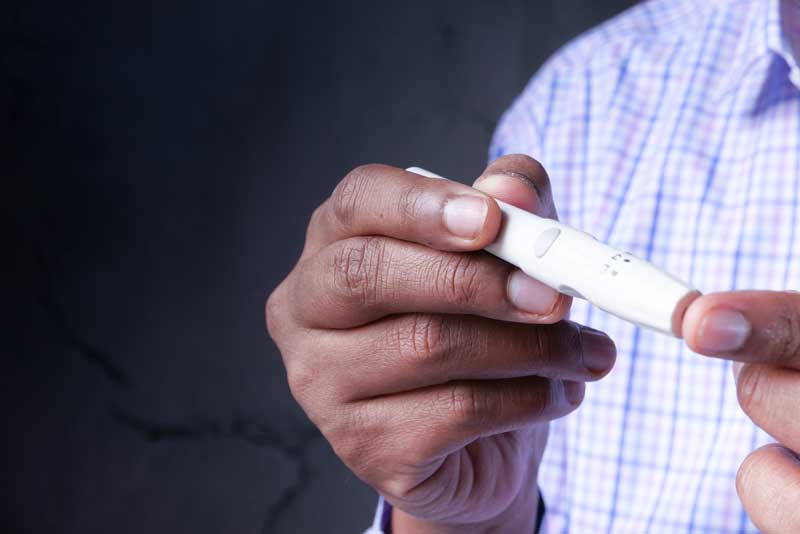
Between visits, you can also track some numbers at home. Home glucose meters, blood pressure monitors and scales are easy to find at pharmacies and online. Checking your numbers between appointments helps you notice changes early and stay involved in your care.
Target numbers for people living with diabetes
These are general recommended ranges. Your healthcare team may adjust your goals based on your age, overall health and other conditions.
| Critical Health Marker | Recommended Range | More Information |
| Blood sugar The amount of sugar (glucose) in the blood |
Prediabetes HbA1c more than 5.7% and less than 6.4% Diabetes HbA1c 6.5% or higher |
The A1c test shows your average blood sugar level over the past 2 to 3 months. It helps you and your healthcare team see how well your treatment plan is working. |
| Blood pressure The force of blood against the arteries when the heart beats and rests |
Less than 120/80 mm Hg | Blood pressure is typically measured by an automatic cuff. Systolic pressure (top number) is the pressure when the heart beats, and diastolic pressure (bottom number) is the pressure when the heart rests. Your healthcare team may set a goal that’s right for you. Get more information about high blood pressure. |
| Blood cholesterol A waxy substance produced by the liver |
Get your cholesterol checked and talk to your healthcare professional about what your numbers mean for your health | Cholesterol does not mix with the blood, so it travels through the body on carriers called lipoproteins. Low-density lipoprotein (or LDL) cholesterol is known as "bad" cholesterol; high-density lipoprotein (or HDL) cholesterol, is known as "good" cholesterol. Triglycerides are the body’s main form of fat, storing excess energy from your diet. High LDL or high triglycerides raise the risk of heart disease. Get more information about cholesterol. |
| Body weight |
A body mass index (BMI) of 18.5-24.9 For Asian populations, BMI of 18.5-22.9 |
Healthy weight looks different for everyone. It varies by gender, age, height and frame. BMI and waist size are tools to guide conversations. Get more information about weight management. |
View: The Numbers You Need to Know (PDF)
If one or more of your numbers are higher than recommended, you’re not alone. Work with your healthcare team to create a plan that fits your life. Small, steady steps, like adjusting food choices, increasing activity or taking medications as prescribed, can improve your numbers over time and lower the risk of complications. Tracking your numbers helps you stay informed and supported as you manage your health.


