Stroke Explained: Symptoms, Causes, Treatment and Recovery Guide
Stroke Quick Facts
- Stroke is a medical emergency and every minute counts.
- A stroke can happen to anyone — at any age, any time.
- Common stroke symptoms include sudden balance loss, sudden eye (vision) changes, face drooping, arm weakness and speech difficulty.
- Acting fast and getting immediate medical help is key to recovery after stroke and reducing long-term damage.
- Many strokes may be prevented by managing risk factors and maintaining a healthy lifestyle.
What is a stroke?
A stroke, often called a “brain attack,” occurs when blood flow to part of the brain is blocked by a clot or when a blood vessel bursts (or ruptures). Blood vessels carry oxygen and nutrients to the brain, and when part of the brain can’t get the blood and oxygen it needs, brain cells begin to die within minutes.
Download Explaining Stroke (PDF)(link opens in new window)(link opens in new window)
What causes a stroke?
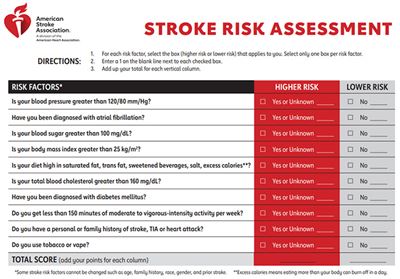
All strokes have underlying causes. Most strokes are caused by other conditions called risk factors. The most common stroke risk factors are well known and are treatable. These include conditions such as high blood pressure, diabetes, high cholesterol, smoking and obesity. Because of research studies, we also know that there are factors that can’t be controlled, such as increasing age, race, ethnicity, family history and previous stroke, TIA or heart attack.
How long does a stroke last?
A stroke’s effects can last anywhere from a few minutes to a lifetime, depending on the type, severity, and how quickly treatment is received.
Learn about the different types of stroke
What do I do if someone is having a stroke?
 If you think someone is having a stroke call 911 immediately. Do not wait to see if symptoms improve.
Stroke is a medical emergency and every minute matters during a stroke. Fast treatment can reduce brain damage and improve recovery outcomes.
What are the signs and symptoms of a stroke?
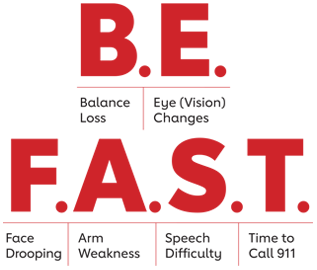
Stroke is the No. 4 cause of death and a leading cause of disability in the U.S. Stroke can happen to anyone — at any age, any time — and everyone needs to know the warning signs and symptoms of stroke. If you are having stroke symptoms or notice stroke symptoms in someone else, B.E. F.A.S.T. AND CALL 911. Time loss leads to more brain loss.
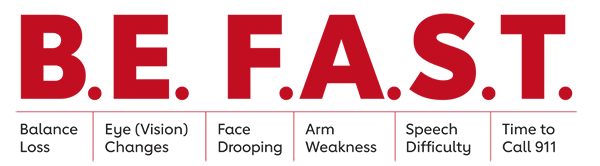
Use the letters in B.E. F.A.S.T. to spot a stroke:
- B = Balance Loss — Is there a sudden loss of balance or coordination? Is the person having trouble walking or experiencing dizziness?
- E = Eye (Vision) Changes — Are there sudden changes in vision? Ask the person if they are experiencing blurred vision, double vision, or loss of sight in one or both eyes.
- F = Face Drooping — Does one side of the face droop or is it numb? Ask the person to smile. Is the person’s smile uneven?
- A = Arm Weakness — Is one arm weak or numb? Ask the person to raise both arms. Does one arm drift downward?
- S = Speech Difficulty — Is speech slurred? Is the person unable to speak or hard to understand? Ask the person to repeat a sentence, like “The sky is blue.” Is the sentence repeated correctly?
- T = Time to call 911 — Stroke is an emergency. Every minute counts. Call 911 immediately. Note the time when any of the symptoms first appear.
Be prepared — Learn more about the stroke warning signs and symptoms
The B.E. F.A.S.T. Experience
Learn what symptoms of stroke really look, feel or sound like with our interactive game
What are the biggest risk factors for stroke?
High blood pressure is the single most important controllable risk factor for stroke. High blood pressure can damage blood vessels, making them more likely to become blocked or ruptured.
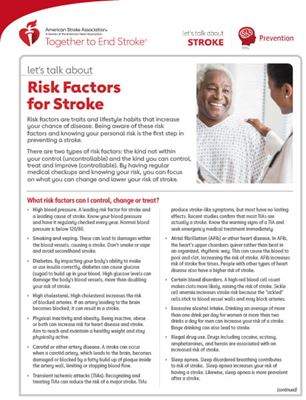
Stroke risk factors are traits, conditions, and lifestyle habits that increase your chances of having a stroke. Stroke risk factors are commonly grouped into controllable and uncontrollable categories. Understanding both types of risk factors helps you focus on what you can improve to lower your overall stroke risk.
- Stroke risk factors you can control, treat and improve
- Stroke risk factors that are not within your control
- Additional factors that may be linked to higher stroke risk
How can I reduce the risk of a stroke?
Up to 80% of strokes may be prevented by managing risk factors and adopting healthy lifestyle habits.
- Control blood pressure
- Manage other health conditions if you have them, such as atrial fibrillation or diabetes
- Don’t smoke
- Be physically active
- Eat a healthy diet
- Maintain a healthy weight
- Limit alcohol
- Take medications as prescribed
What is a transient ischemic attack (TIA)?
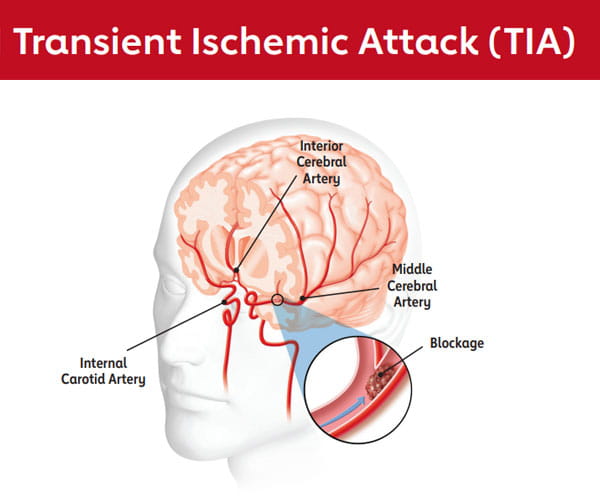
Transient Ischemic Attack (TIA) is a temporary blockage of blood flow to part of the brain, causing stroke-like symptoms that usually last from only a few minutes up to 24 hours. The clot usually dissolves on its own or gets dislodged. TIAs are often called a “mini-stroke” but a more appropriate term would be a “warning stroke”. Although TIAs don’t cause permanent brain damage, they should be taken seriously because they signal a possible full-blown stroke ahead.
View a detailed animation of a TIA(link opens in new window)(link opens in new window)
What causes a TIA?
Common causes of TIA include:
- Blood clots
- Plaque buildup in arteries
- Atrial fibrillation
- Other heart conditions
What are the symptoms of a TIA?
TIA’s major symptoms include sudden:
- Numbness, weakness or paralysis of the face, arms or leg, usually on one side of the body
- Loss of vision in one or both eyes or double vision
- Trouble speaking or difficulty understanding others
- Loss of balance or coordination
- Severe headache with no known cause
What is an ischemic stroke?
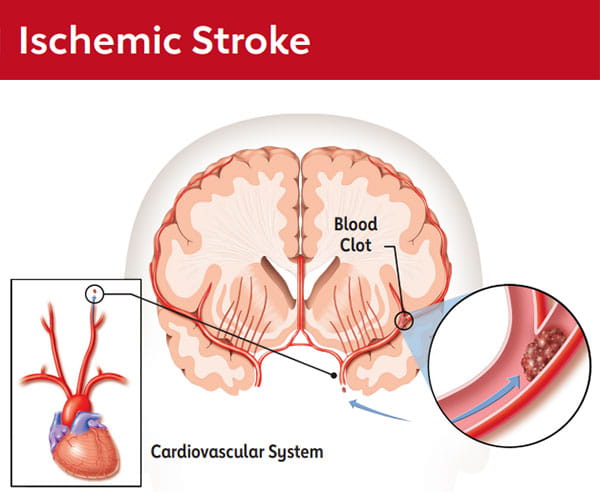
An ischemic stroke is caused when blood flow to a part of the brain is blocked, usually by a blood clot or buildup of fatty deposits (plaque) in an artery. This blockage prevents oxygen and nutrients from reaching the brain tissue, and the brain cells begin to die.
What percentage of strokes are ischemic?
Ischemic strokes account for approximately 87% of all strokes.
View a detailed animation of an ischemic stroke(link opens in new window)(link opens in new window)
Learn more about ischemic stroke and its treatment
What is a hemorrhagic stroke?
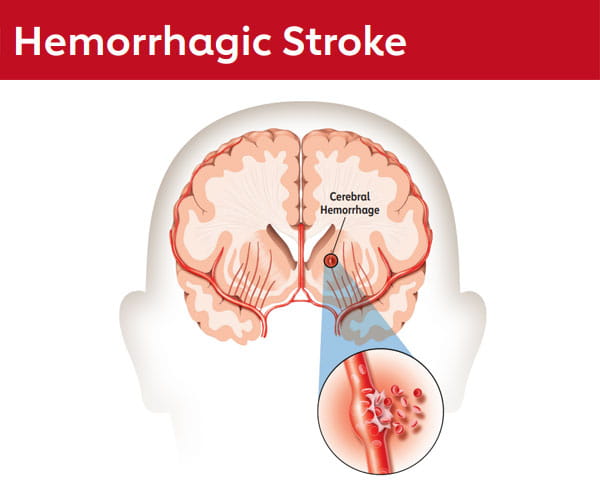
Hemorrhagic stroke is caused when a blood vessel in or around the brain ruptures and bleeds into the surrounding brain tissue. This bleeding increases pressure inside the skull and deprives brain cells of oxygen, leading to damage.
What percentage of strokes are hemorrhagic?
Hemorrhagic strokes account for approximately 13% of all strokes.
What causes hemorrhagic stroke?
Hemorrhagic strokes can be caused by:
- High blood pressure
- Brain aneurysm
- Arteriovenous malformation (AVM)
- Head trauma
- Blood thinning medications
- Bleeding disorders
- Cerebral amyloid angioplasty
View a detailed animation of hemorrhagic stroke(link opens in new window)(link opens in new window)
Learn about treatment for hemorrhagic stroke
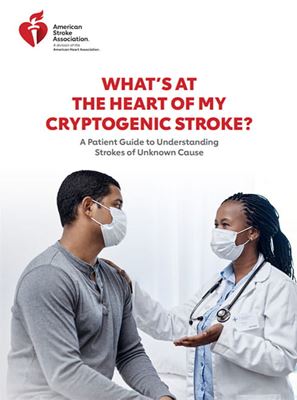
What is a cryptogenic stroke?
A cryptogenic stroke is a type of ischemic stroke for which no definite cause can be found, even after thorough medical evaluation. So, a cryptogenic stroke is essentially a “a stroke of unknown origin.”
How common is cryptogenic stroke?
It’s estimated that about 1 in 3 ischemic strokes are cryptogenic.
Why does cryptogenic stroke happen?
In many cases, doctors suspect there is an underlying cause that has not yet been detected. Possible hidden causes can include:
- Intermittent atrial fibrillation
- A patent foramen ovale (PFO)
- Atherosclerosis
- Undiagnosed blood-clotting disorders
Learn more about cryptogenic stroke and its treatment
How long does recovery from stroke take?
Recovery after a stroke will vary from person to person. But the following phases of stroke recovery will apply to everyone:
Hyperacute (first 24-72 hours)
Immediate treatment with focus on stabilizing the patient, restoring blood flow and reducing brain damage.
Acute (few days to about 1 week)
Hospital stays usually around 5-7 days. Early rehabilitation often begins within 24 hours, including physical, occupational and speech therapies.
Subacute (weeks 1-12)
This is the time when most recovery occurs and intensive rehabilitation programs produce significant gains in movement, speech and cognition.
Late subacute to chronic (3-6 months and beyond)
Although improvement rates may slow down, additional improvements are possible with ongoing therapy. Many survivors of stroke continue to make progress well beyond six months, with progress that can occur for years after.
Recovery duration will depend on several factors:
- Stroke type and severity
- Location and size of brain injury
- How quickly treatment began
- Age, your overall health and presence of other conditions, such as high blood pressure or diabetes
- Access to rehabilitation services
Rehabilitation is the key to post-stroke recovery. The right program can help you regain independence.
Learn more about stroke recovery and rehabilitation
Is second stroke worse than the first?
A second stroke is not always worse than the first one, but it can be more serious because the brain may already be weakened by a previous stroke. A second stroke can result in greater disability, more difficult recovery and an increased risk of other complications.
Learn how to recognize the signs of a second stroke and create an emergency action plan
Can I make a full recovery from a stroke?
Recovery after stroke varies greatly from person to person and depends on factors such as the severity of the stroke, the area of the brain affected, and access to rehabilitation. Some patients will recover almost completely, while others will recover with only minor side effects. With rehabilitation, many stroke survivors regain independence and return to their normal activities even if some minor symptoms remain.
Stroke recovery is a team effort.
Stroke Recovery Resources
- Tips for daily living after a stroke
- Life After Stroke Guide (PDF)(link opens in new window)(link opens in new window)(link opens in new window)(link opens in new window)(link opens in new window)(link opens in new window)(link opens in new window)(link opens in new window)(link opens in new window)(link opens in new window)(link opens in new window)(link opens in new window)(link opens in new window)(link opens in new window)
- Making Rehabilitation Decisions After Stroke Guide (PDF)(link opens in new window)(link opens in new window)(link opens in new window)(link opens in new window)(link opens in new window)(link opens in new window)(link opens in new window)(link opens in new window)(link opens in new window)(link opens in new window)(link opens in new window)(link opens in new window)(link opens in new window)(link opens in new window)
- Making Rehabilitation Decisions After Stroke (Video)(link opens in new window)(link opens in new window)(link opens in new window)(link opens in new window)
- Stroke Rehabilitation Planning List (PDF)(link opens in new window)(link opens in new window)(link opens in new window)(link opens in new window)(link opens in new window)(link opens in new window)(link opens in new window)(link opens in new window)(link opens in new window)(link opens in new window)(link opens in new window)(link opens in new window)(link opens in new window)(link opens in new window)
- What to Expect from Stroke Rehabilitation (PDF)(link opens in new window)(link opens in new window)(link opens in new window)(link opens in new window)(link opens in new window)(link opens in new window)(link opens in new window)(link opens in new window)(link opens in new window)(link opens in new window)(link opens in new window)(link opens in new window)(link opens in new window)(link opens in new window)
- Hope: The Stroke Recovery Guide (PDF)(link opens in new window)(link opens in new window)(link opens in new window)(link opens in new window)(link opens in new window)(link opens in new window)(link opens in new window)(link opens in new window)(link opens in new window)(link opens in new window)(link opens in new window)(link opens in new window)(link opens in new window)(link opens in new window)
Post-Stroke Recovery Exercise Videos

Support Groups
Social interaction and simply connecting with others help ease the depression and isolation so common after stroke.
Caregiver Support
A stroke survivor’s family is often the most important source of support during recovery and rehabilitation. But who takes care of the caregiver?
Resource Library
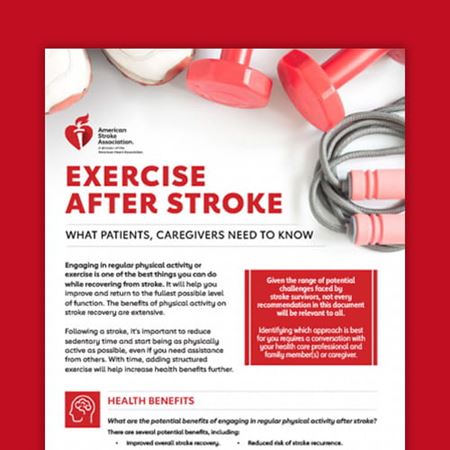
All of our educational materials in one convenient section. Find info about prevention, treatment, rehabilitation and life post-stroke.

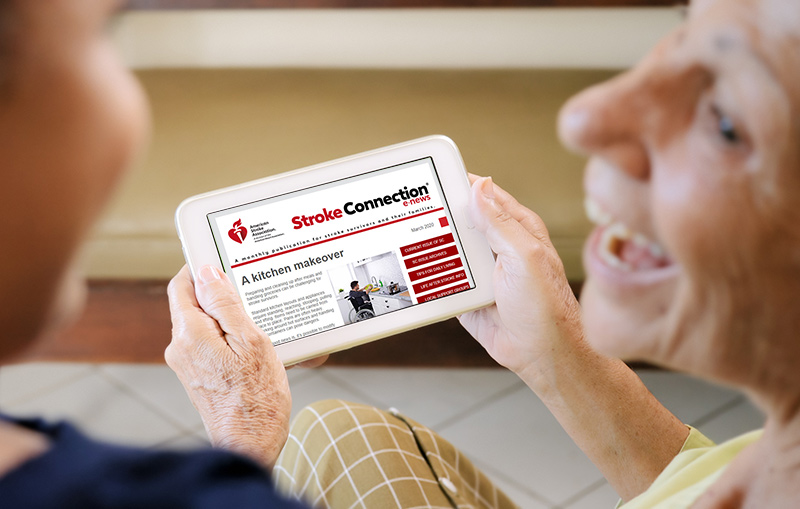
Together to End Stroke® E-newsletter