Heart Valve Replacement: Types, Procedures and Treatment Options
Quick Facts
- If a heart valve becomes too narrow or leaks, it may need to be replaced.
- Replacing the heart valve may help improve blood flow and reduce symptoms.
- There are different kinds of replacement procedures and types of valves. You can work with your healthcare team to choose the best option for you.
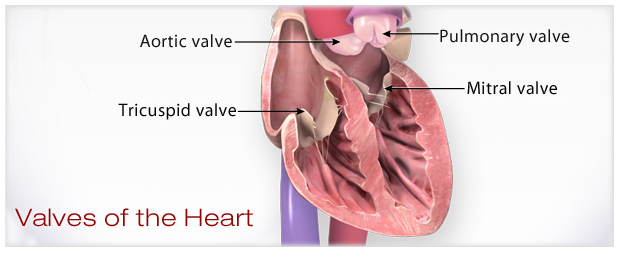
Heart valve replacement is a treatment for severe heart disease. When a heart valve becomes narrowed (stenosis) or leaky (regurgitation), the heart may have to work harder to pump blood. In some cases, replacing the damaged valve can improve blood flow, reduce symptoms and help prevent complications.
Some heart valve conditions can be managed for a time with medications and regular check-ups. But when valve disease becomes severe or causes symptoms, a procedure may be needed to repair or replace the valve. Replacement options include:
- Traditional surgery
- Minimally invasive procedures
- Catheter-based treatments
The best treatment depends on many factors, including:
- Which valve is affected
- How severe the disease is
- How well the heart is working
- Symptoms
- Age
- Overall health
- Personal preferences
You should work with your healthcare team to choose the treatment approach that best fits your needs.
When is heart valve replacement needed?
Heart valve replacement may be recommended when the heart valve becomes damaged or diseased and can no longer move blood through the heart effectively. Some valve problems develop gradually and may not cause symptoms at first.
Over time, however, the condition can make the heart work harder and increase the risk of complications such as heart failure. In some cases, medications can help manage symptoms, but they cannot fix a valve that is severely damaged.
Heart valve replacement is most often used to treat valves that are narrowed or leaky.
Replacing a narrowed heart valve
A valve that narrows cannot open fully, making it harder for blood to flow through the heart. The most common reason for valve replacement is aortic stenosis, a narrowing of the aortic valve. Some people with mitral stenosis may also need a valve replacement procedure.
Replacing a leaky heart valve
A valve that does not close properly can allow blood to flow backward through the heart. This is called regurgitation.
Severe aortic regurgitation or mitral regurgitation may require valve replacement. Symptoms can include:
- Shortness of breath
- Fatigue
- Irregular heartbeats
Without treatment, severe valve disease can eventually affect the heart’s ability to pump blood effectively.
Heart valve replacement procedures
If a heart valve becomes severely damaged or diseased, replacing the valve may improve the blood flow, reduce symptoms and help prevent complications. Today, several options are available. You and your healthcare team can work together to choose the treatment that best fits your needs.
Surgical heart valve replacement
Surgical valve replacement is a common treatment for severe heart valve disease. During the procedure, a surgeon removes the damaged valve and replaces it with a new valve. Depending on the person’s condition, surgery may be performed through a traditional open-heart approach or a less invasive method.
The replacement valve may be either:
- Mechanical, made from durable manufactured materials
- Biological, made from human or animal tissue
Each type has risks and benefits that should be discussed with your healthcare team.
Transcatheter aortic valve replacement (TAVR/TAVI)
For some people with severe aortic stenosis, a less invasive procedure called transcatheter aortic valve replacement (TAVR), also known as transcatheter aortic valve implantation (TAVI), may be an option. This procedure uses a thin tube called a catheter to place a new valve inside the diseased aortic valve without removing it. Once in place, the new valve takes over the job of regulating blood flow.
TAVR can be performed through several access points, mostly commonly through an artery in the groin (transfemoral) or through a small incision in the chest (transapical).
Ross procedure
The Ross procedure is a specialized type of aortic valve replacement used for some patients with aortic valve disease. The patient’s healthy pulmonary valve is moved to replace the diseased aortic valve. The pulmonary valve is then replaced with a donor valve.
The Ross procedure is not appropriate for everyone. It should be discussed with a heart valve specialist.
Learn more about the Ross procedure.
Types of replacement heart valves
If you need a heart valve replacement, you and your healthcare team will decide which type of replacement valve is best for you. The ideal valve:
- Provides good blood flow
- Works well with the heart and circulatory system
- Balances durability with potential risks and medication needs
The choice depends on factors such:
- Age
- Overall health
- Lifestyle
- Personal preferences
- Need for long-term medications
Mechanical heart valves
Mechanical valves are made from strong, durable materials. They are the longest-lasting type of replacement valve. Many can work well for the rest of a person’s life.
Because blood clots can form on mechanical valves, most people who receive one must take anticoagulant medication for the rest of their lives. These medications help reduce the risk of clots that could:
- Affect valve function
- Cause serious complications such as heart attack or stroke
Regular monitoring is often needed to help make sure medication levels remain in a safe range.
Tissue heart valves
Tissue valves are made from donated animal tissue that has been prepared for use as a replacement valve. These valves usually last 10 to 20 years. Unlike mechanical valves, they usually do not require lifelong anticoagulant medication.
Because tissue valves may wear out over time, younger people who receive a tissue valve are more likely to need another valve procedure later in life.
Human donor valves
A human donor valve, sometimes called a homograft, may be used in certain situations, including cases of infective endocarditis or other complex valve conditions. These valves come from human donors and can provide a good treatment option for some people.
A human donor valve typically lasts about 10 to 20 years.
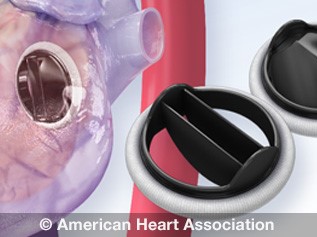
View illustrations of mechanical and tissue valves.
Comparing heart valve options
When comparing replacement valves, it can be helpful to consider these questions:
- How long is the valve expected to last?
- Will long-term anticoagulant medication be needed?
- How well does the valve fit your age, lifestyle and overall health?
How doctors choose the best valve and procedure
Choosing the right treatment for health valve disease is not a one-size-fits-all decision. There are many valve replacement procedures and replacement valve types available. You can work with your healthcare team to understand the benefits and risks of each option and choose the approach that best fits your needs. Factors that influence treatment decisions include:
- Which heart valve is affected
- Whether the valve is narrowed or leaky
- The severity of the valve disease
- Heart function
- Symptoms and their impact on daily life
- Age and overall health
- Risks and benefits of the surgery or procedure
- Personal preferences and lifestyle considerations
Choosing between valve types
If valve replacement is needed, your healthcare team will help you decide which type of valve is best for you. They will consider:
- How long the valve is expected to last
- Whether long-term anticoagulant medication is needed
- Likelihood of future valve procedures
Considering surgical risk
Some people can safely have traditional valve surgery. Others may face a higher risk of complications because of age, overall health or other medical conditions.
For these patients, less invasive treatment options may be considered. These include:
- Transcatheter aortic valve replacement (TAVR)
- Video-assisted surgery
- Robotic-assisted surgery
- Surgeries performed with an endoscope
Your healthcare team will discuss available treatment options for your valve condition. Together you can choose what’s best for you.
Benefits of less invasive valve procedures
Compared with traditional open-heart surgery, minimally invasive treatment options may offer benefits including:
- Lower risk of infection
- Less trauma to the chest and heart muscle tissue
- Shorter hospital stays
- Faster recovery time
The potential benefits vary based on the procedure and the individual patient. Your healthcare team can explain the expected recovery and outcomes for your specific case.
Resources and support for heart valve replacement
Learning that you need a heart valve procedure can raise many questions about treatment, recovery and long-term care. There are resources available to help you and your caregivers.
Surgery checklist English (PDF) | Surgery checklist Spanish (PDF)
Recovery tracker English (PDF) | Recovery tracker Spanish (PDF)
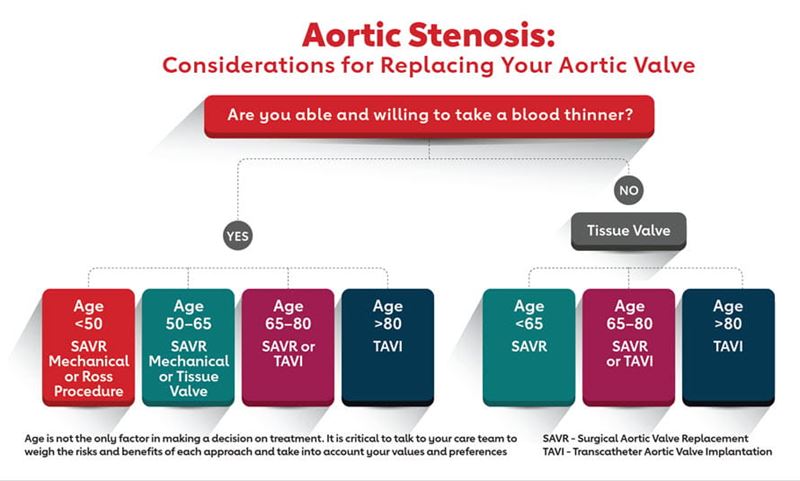
*Age is only one factor when choosing a treatment. Talk with your care team about the risks and benefits of each option. Consider your values and preferences when making a decision.
View Aortic Stenosis: Considerations for Replacing Your Aortic Valve (PDF)


