 American Stroke Association
 American Stroke Month
Learning to B.E. F.A.S.T. Can Save Lives
When you spot a stroke warning sign, be fast. Recognizing the stroke warning signs and calling 911 immediately may make the difference between a strong recovery or long-term disability; survival or death.
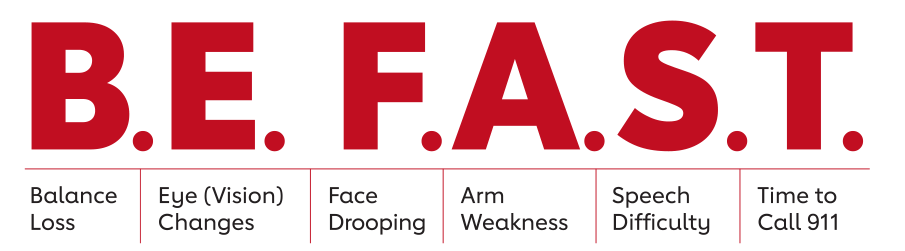
B = Balance Loss
Is there a sudden loss of balance or coordination? Is the person having trouble walking or experiencing dizziness?
E = Eye (Vision) Changes
Are there sudden changes in vision? Ask the person if they are experiencing blurred vision, double vision, or loss of sight in one or both eyes.
F = Face Drooping
Does one side of the face droop, or is it numb? Ask the person to smile. Is the person's smile uneven?
A = Arm Weakness
Is one arm weak or numb? Ask the person to raise both arms. Does one arm drift downward?
S = Speech Difficulty
Is speech slurred or difficult to understand? Ask the person to repeat a simple sentence.
T = Time to Call 911
If you have any of these symptoms or see someone else having them, call 911 immediately!
The B.E. F.A.S.T. Experience
In this interactive environment, you’ll learn what the warning signs of stroke might look, feel and/or sound like.

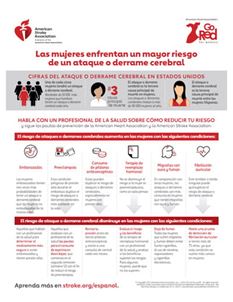
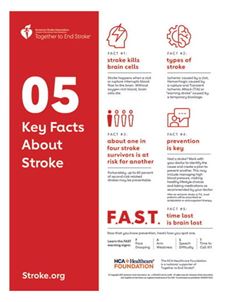
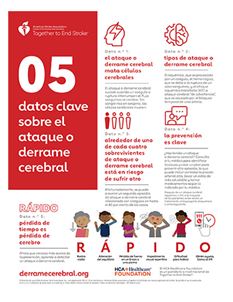
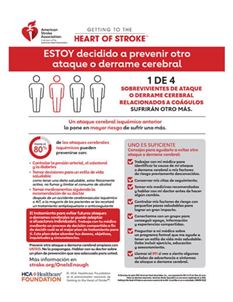
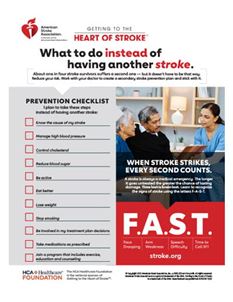
Prevent a Second Stroke
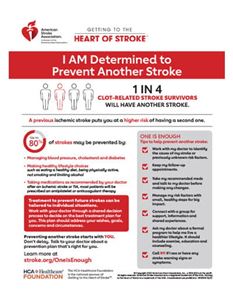
Having a stroke puts you at a higher risk for a second one. Understanding your personal risk factors can help you make choices that support your health and reduce the risk of another stroke.
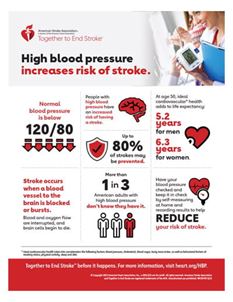
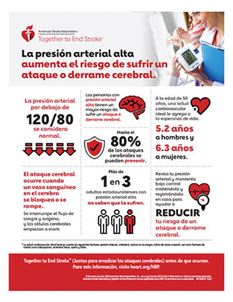
According to the American Stroke Association, approximately 80% of strokes are preventable.
Prevent a Second Stroke Resources
For Professionals

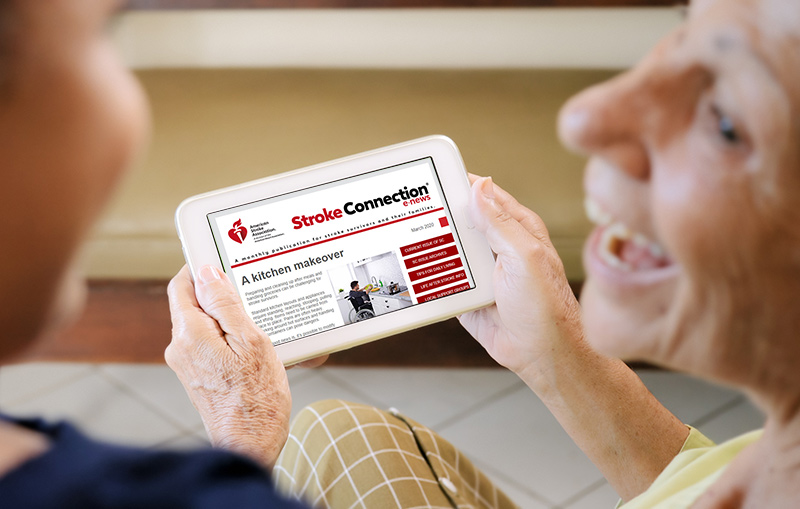
Together to End Stroke® E-newsletter