Hmong Stroke Resources
Don’t wait. Call 911.
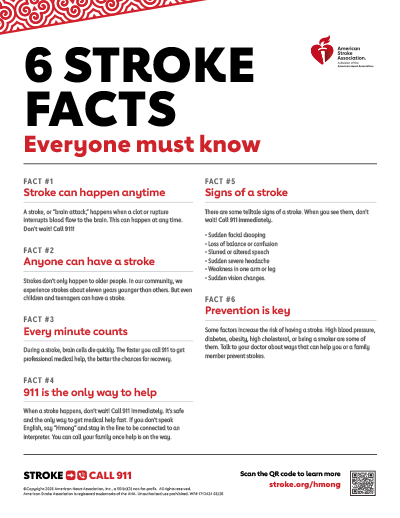
Calling 911 is the only way to get help fast when a stroke happens. You don't need to speak English—just say “Hmong” and a free interpreter will assist you.

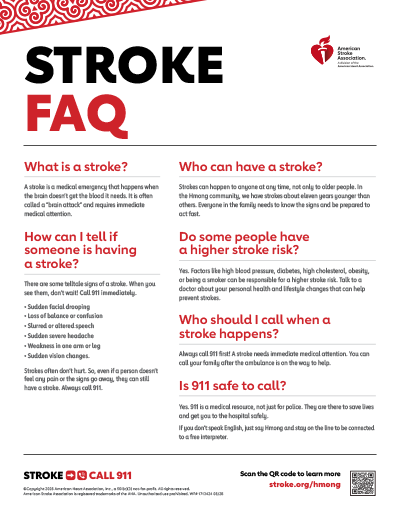
What is a stroke?
A stroke, or “brain attack,” occurs when blood flow to the brain stops. That can happen when a blood vessel is either clogged (ischemic stroke) or bursts (hemorrhagic stroke). Without a constant blood supply, brain cells start dying fast, which can cause permanent damage to a person’s ability to talk or move their body. Undetected or untreated, strokes can even cause death.
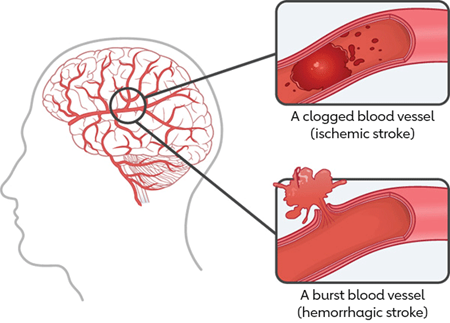
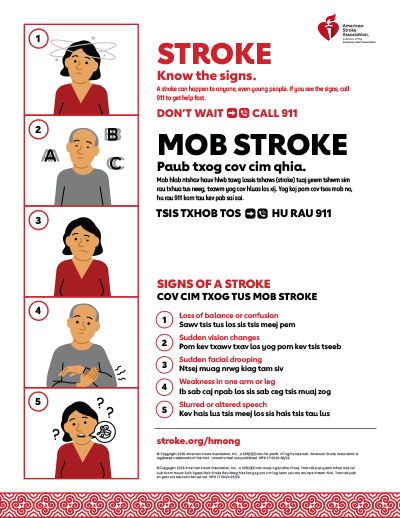
Know the signs of a stroke.
Strokes often come without a warning, and they don’t always hurt. But if you know the signs and act fast when you see them, you can save lives.
If you see any of these signs, don’t wait! Call 911 immediately, even if they go away. A small sign can mean a bigger stroke is coming.
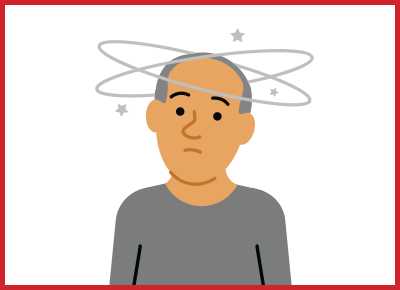
Loss of balance or confusion
Do they have trouble walking? Ask them if they feel dizzy and watch for signs of confusion and disorientation.
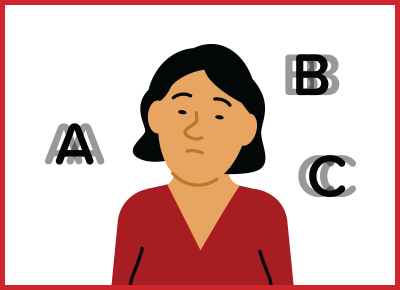
Sudden vision changes
Ask whether they have blurred vision, double vision, or complete vision loss in one or both eyes.
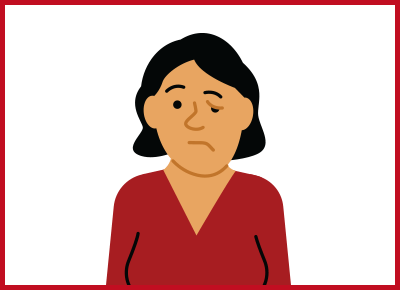
Sudden facial drooping
Ask them to smile. Does one side droop? Does it look uneven?
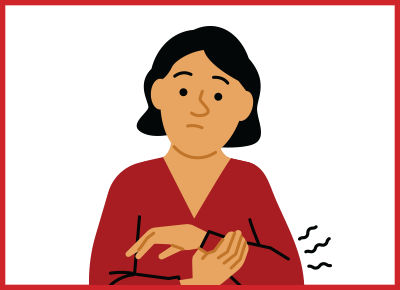
Weakness in one arm or leg
Ask them to raise both arms. Does one fall down? Does one side feel weak?
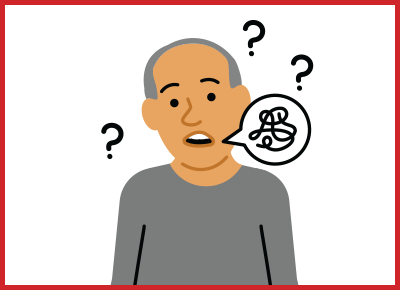
Slurred or altered speech
Are their words slurred? Are they hard to understand? Can they speak at all?
The Hmong community suffers strokes 11 years earlier than others.
Don’t wait. Call 911.
Calling 911 is the only way to get help fast when a stroke happens. You don't need to speak English—just say “Hmong” and a free interpreter will assist you.
Free resources to help protect your community
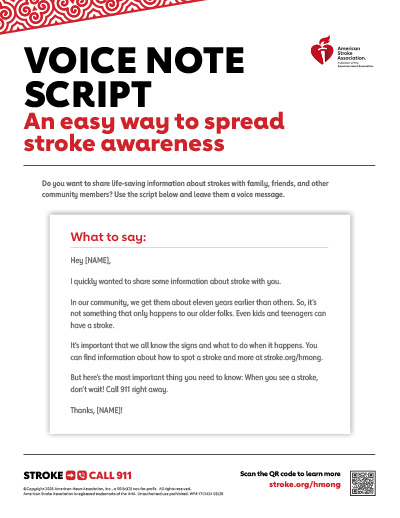
Use these free downloads to share life-saving information about strokes with your family and friends.