
Stroke Hero Time: Who Inspires You?
Nominations are now open for the 2027 Stroke Hero Awards recognizing survivors of stroke, caregivers, groups or advocates who educate, inspire and raise awareness about stroke. View all 5 categories and nominate by Nov. 4.

World Stroke Day: October 29th
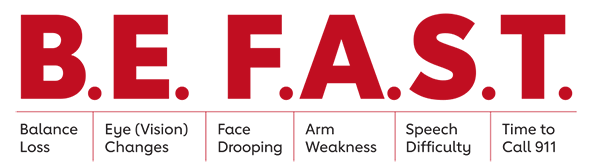
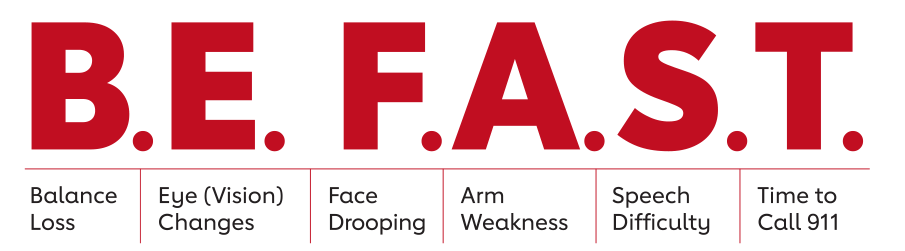
About 1 in 4 adults worldwide will have a stroke during their lifetime. Knowing the warning signs and acting quickly can make all the difference. Use B.e. F.a.s.t. to recognize a stroke and get help right away.
Your Gift is Matched 3X to Help Stop Stroke

Stroke can change lives in minutes when warning signs aren’t recognized. Your 3X matched gift helps fund research and programs that empower communities to save lives.
For Patients and Caregivers:
Stroke Warning Signs
Recognize the warning signs and call 9-1-1 immediately. This can make the difference between a strong recovery and disability or even death.
Stroke Prevention
Whole body wellness can help you feel stronger, healthier and mentally sharp – and it can also reduce your stroke risk.
Stroke Recovery
There is life – and hope – after stroke. With time, new routines will become second nature. Rehabilitation can build your strength, capability and confidence.
For Healthcare Professionals:
Cryptogenic Stroke
Our updated Healthcare Professional Guide can help diagnose the underlying reason for cryptogenic stroke and tailor prevention plans for your patients.
EMS Routing
Consensus recommendations can help ensure acute stroke patients are triaged to the facility.
Secondary Prevention
Our May 2021 Guideline provides clinicians with the latest evidence-based recommendations for preventing another stroke.
By learning the B.E. F.A.S.T. warning signs, you just might save a life from stroke.
In the News
The latest in stroke and brain health news
Read more stroke related news Aphasia and Stroke
This common post-stroke language disorder affects the ability to communicate, causing frustration and confusion. Treatment and strategies can help – check out our fact sheets, tips and other resources.
Stroke Support Groups
Connect with others with similar experiences, learn helpful information and help ease the depression and isolation that’s common after stroke. Use our support group finder for a list of groups near you.

CycleNation
Energizing a nation to get brain and heart healthy through the power of the bicycle.
Be a stroke hero. Donate today.
Your gift contributes to breakthrough research, advocacy, and more lives saved from heart disease and stroke!

Together to End Stroke® E-newsletter
Designed for healthcare professionals and stroke leaders to stay informed on the latest insights in stroke.
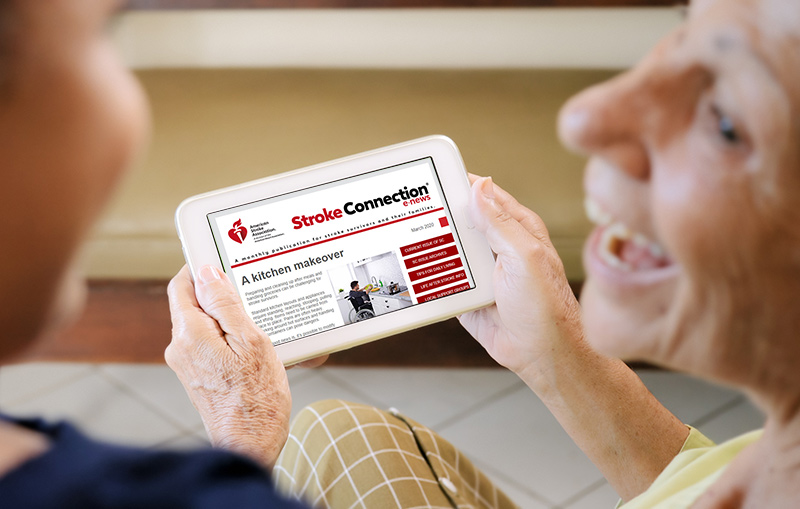
Stroke Connection® E-newsletter
News, resources and stories for survivors of stroke and their caregivers.