Stroke Rehabilitation
Stroke Rehabilitation Quick Facts
- Every stroke is different, and each person may face unique challenges during recovery.
- The goal of stroke rehabilitation is to help you regain skills, increase your independence and return to daily activities as much as possible.
- Returning home after a stroke is easier when the needs of both the stroke survivor and caregiver are understood and supported with the right services, resources and community support.
- Recovery from stroke does not have a set endpoint. Improvements can continue for months or years, even after your formal rehabilitation program ends.
2026 Guideline for Adult Stroke Rehabilitation and Recovery
- Depression and anxiety are very common conditions that can develop after a stroke. Ask your clinical care team to assess you in the hospital and during your recovery, as these conditions can arise at any time. It’s important to know that effective treatments are available, and caring for your mental health is just as important as your physical recovery. Depression and stroke
- Emotional support can also help you navigate the many life changes following a stroke. Support is available both in person and online. Support for caregivers is equally important in helping both the stroke survivor and caregiver in the recovery process. Here are some resources that may help you find support and connect with other stroke survivors and caregivers who are experiencing similar situations:
- Younger stroke survivors and caregivers have unique needs that are not often talked about. This can include returning to the workforce or parenting young children. Finding support and connecting with other stroke survivors facing similar situations can help. Return to work
- There are health issues that stroke survivors may be hesitant to discuss, such as trouble holding in urine (urinary incontinence) and changes in sexual function. It’s important to know that these are common issues that may occur after a stroke, and the clinical care team can help you find effective treatment.
- Stroke survivors also have a higher chance of experiencing sleep apnea. After a stroke, many people experience brain fog and fatigue; however, sleep apnea may also contribute to these symptoms. Ask your clinical care team to check if you have sleep apnea. If you do, they can help you find the best way to improve your sleep. Sleep problems after a stroke
- Stroke survivors often experience pain. If you have pain talk with your healthcare professional about ways to alleviate pain. Pain may inhibit your rehabilitation progress.
- Every stroke is unique and each survivor faces a different set of challenges. Recovery doesn’t look the same for everyone, and care should be personalized to fit each person’s needs.
- Because recovery is different for everyone, where you receive care after leaving the hospital will depend on how severe your stroke was. Some people may go home shortly after a stroke, while others could need additional care in a skilled nursing facility, inpatient rehabilitation facility, or long-term care hospital. There are also many different clinicians involved in your stroke recovery.
- Recreation and leisure activities are a critical part of a healthy life and should be part of stroke recovery. By sharing with your clinical care team the types of activities you enjoy, they can help create a personalized recovery plan that includes activities that are most meaningful to you. Therapy should incorporate activities, such as sports, games, art, music, and social outings. Sometimes a recreational therapist may be part of your care team, leading such activities. Stroke Recovery Guide (PDF)
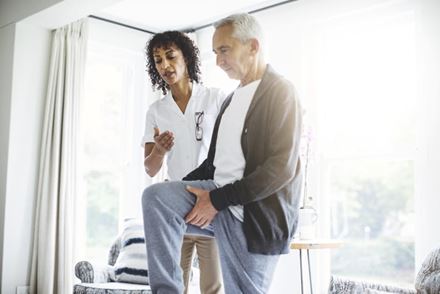
- During rehabilitation after stroke, you will have many kinds of therapies with different members of your healthcare team. These therapies will be activities that help you recover skills, adjust how you typically do things, or adjust your environment, which might include:
- Practice using your more affected arm and hand in various activities to recover motor skills
- Practice talking with the therapist to recover speech/language skills.
- Using a checklist so you don’t forget important steps of an activity and their order
- Using a reacher or grabber tool to allow you to pick up dropped objects without losing your balance
- Walking with a cane
- Rearranging your kitchen or other spaces in your home, or workplace, so the most used items are on easy-to-reach shelves and other accessible places.
- Remember that if you have had a stroke, you are at increased risk of having another stroke. Talk with your clinical care team about what can help prevent a second (secondary prevention) stroke from happening. Preventing another stroke
- Stroke recovery occurs over months to years and does not end when you leave a structured program. Recovery is ongoing and doesn’t have to include a structured therapy program. This could involve participating in activities at a local fitness center that are specifically designed for stroke survivors. Keeping your muscles strong is important in stroke recovery. Keep your body moving!
Download the 2026 Guideline for Adult Stroke Rehab and Recovery Key Patient Messages (PDF)
Why Rehabilitation?
Stroke can change your life in an instant. Few people are prepared for this sudden, often catastrophic event, but rehabilitation success rates are encouraging. In some cases, brain cell damage may be temporary and function may resume over time. In other cases, the brain can reorganize its own functioning and another region of the brain “takes over” for a region damaged by the stroke.
Rehabilitation should start in the hospital as soon as possible after the stroke. So it’s vital to make informed decisions about rehab quickly. This task can be overwhelming, and our Making Rehabilitation Decisions guide (PDF) will help you get started. It includes information you and your family need to plan your rehabilitation journey.
The best results can be achieved only through the combined efforts of your family, your healthcare team and, of course, you.
You’re not alone.
- More than 80% of stroke survivors in the U.S. live in the community, most of them at home.
- More than two-thirds of stroke survivors in the U.S. receive rehabilitation services after hospitalization.
- About 35-40% of survivors have limitations in basic activities of daily living six months after their stroke.
- About 40% experience moderate to severe impairments.
- About 10% require care in a nursing home or other long-term care facility.
- Over time, many stroke survivors find it harder to participate in leisure activities they enjoy. Leisure activities can be reduced by 10% to 40%. Younger stroke survivors often experience greater challenges and want more opportunities to take part in activities that are important to them.
- Falls are one of the most common complications after stroke, affecting between 36% and 73% of people during the first six months after leaving the hospital.
- Staying active, eating a healthy diet and avoiding tobacco and other harmful substances can help lower the risk of another stroke. Without managing these risk factors, the chance of having another stroke within five years is about 25% to 30%.
What to Expect from Stroke Rehabilitation
Stroke rehabilitation is a lifelong process that begins as soon as possible after a stroke and continues across the recovery journey. The goal of rehabilitation is to help stroke survivors regain as much independence as possible by improving physical, cognitive, communication, and emotional function. Because recovery looks different for every person, rehabilitation plans are tailored to individual needs, abilities, and goals. As survivors transition from the hospital to home and community settings, they and their caregivers often have questions about what to expect, available therapy options, recovery timelines, and support services. This interactive resource will help you better understand the rehabilitation process, explore common rehabilitation settings and services, and learn about the tools, resources, and strategies that can support recovery, participation, and quality of life. Explore the topics below to discover rehabilitation options that may support your unique recovery journey.
What therapies can help me?
Motor Skills
Improve mobility and daily activities:
- Walking and transfers
- Getting in and out of bed
- Climbing stairs
- Improving coordination
Speech Therapy
Communication and swallowing support:
- Speaking
- Understanding language
- Swallowing safety
- Communication strategies
Cognitive Rehabilitation
Supports thinking and memory:
- Memory strategies
- Problem solving
- Attention and concentration
- Cognitive exercises
Balance and Vision
Improve safety and confidence:
- Balance training
- Fall prevention
- Vision exercises
- Home safety tips
What is the difference between basic stroke rehabilitation and personalized rehabilitation?
Basic Stroke Rehabilitation
Basic stroke rehabilitation includes the core therapies recommended for most stroke survivors to support recovery and independence. These services focus on:
- improving motor skills
- strength and coordination
- cognition
- communication
- vision
- balance
- adaptation to life after stroke
The goal is to help you regain function, perform daily activities safely, and build the foundation for long-term recovery.
Personalized Rehabilitation
Personalized rehabilitation builds on basic rehabilitation by addressing each survivor's unique goals, challenges and lifestyle needs. Services may focus on:
- self-care activities
- mobility
- speech and language
- memory and problem-solving skills
- social participation
- return to work
- driving
- other meaningful life roles
Personalized rehabilitation is tailored to the individual's abilities, priorities, and recovery goals to maximize participation and quality of life.
Where can I receive stroke rehabilitation?
There are many different settings for stroke rehabilitation programs. Talk with your healthcare team to help determine which option is best for your and your specific needs.
Inpatient Rehabilitation Facilities (IRFs)
- Provide intensive, coordinated rehabilitation for stroke survivors who are medically stable and able to participate in a rigorous therapy program.
- Patients typically receive at least three hours of therapy per day, five days a week, delivered by a multidisciplinary team that may include physical, occupational, and speech therapists, along with rehabilitation physicians and nurses.
- IRFs focus on helping individuals regain function, increase independence, and prepare for a safe return to home and community life.
Skilled Nursing Facilities (SNFs)
- Provide rehabilitation and nursing care for stroke survivors who need continued support after leaving the hospital but are not yet ready to return home.
- Offer lower-intensity therapy than an Inpatient Rehabilitation Facility (IRF) while helping individuals improve strength, mobility, self-care skills, and independence.
- An SNF may be appropriate for those who require ongoing medical supervision and rehabilitation but cannot tolerate the intensity of an IRF program.
Long-Term Care Facilities
- Provide ongoing nursing care and support for stroke survivors who need assistance with everyday activities such as dressing, bathing, eating, and mobility.
- Designed for individuals who require long-term supervision and help with daily living but may not need intensive rehabilitation services.
- Care teams focus on maintaining health, safety, comfort, and quality of life while supporting residents' individual needs and abilities.
Long-Term Acute Care Hospitals
- Provide specialized care for stroke survivors with complex medical needs that require ongoing hospital-level treatment.
- Designed for individuals who may have serious acute and chronic health conditions, such as respiratory failure, ventilator dependence, complex wound care needs, or other medical complications that require close monitoring and specialized treatment.
- Focus is on stabilizing medical conditions while supporting recovery and preparing patients for the next stage of rehabilitation or long-term care.
Home or Outpatient Stroke Rehabilitation
- These services help stroke survivors continue their recovery after leaving the hospital or inpatient rehabilitation setting.
- Depending on individual needs, therapy may be provided in the home through a home health agency or at an outpatient clinic.
- Services can include physical, occupational, and speech therapy focused on improving mobility, communication, daily living skills, strength, and independence.
- Home and outpatient rehabilitation offer flexibility and allow stroke survivors to practice skills in real-world environments while receiving ongoing support from rehabilitation professionals.
What questions should I ask my healthcare team?
As you navigate your rehabilitation journey, it can be helpful to ask questions and start conversations with your healthcare team about the services, support, and resources that are right for you. Explore the examples below to learn more about what to expect and how to make informed decisions about your recovery.
- What rehabilitation services do you recommend?
- Which setting is right for me?
- What goals should I focus on first?
- What can I safely do at home?
- How often should I receive therapy?
- What warning signs should I watch for?
What therapies can help me?
What is the difference between basic and personalized rehab?
Where can I receive stroke rehabilitation?
What questions should I ask my healthcare team?

Support Network
